Mon-Fri : 8am-5pm PST

Mon-Fri : 8am-5pm PST
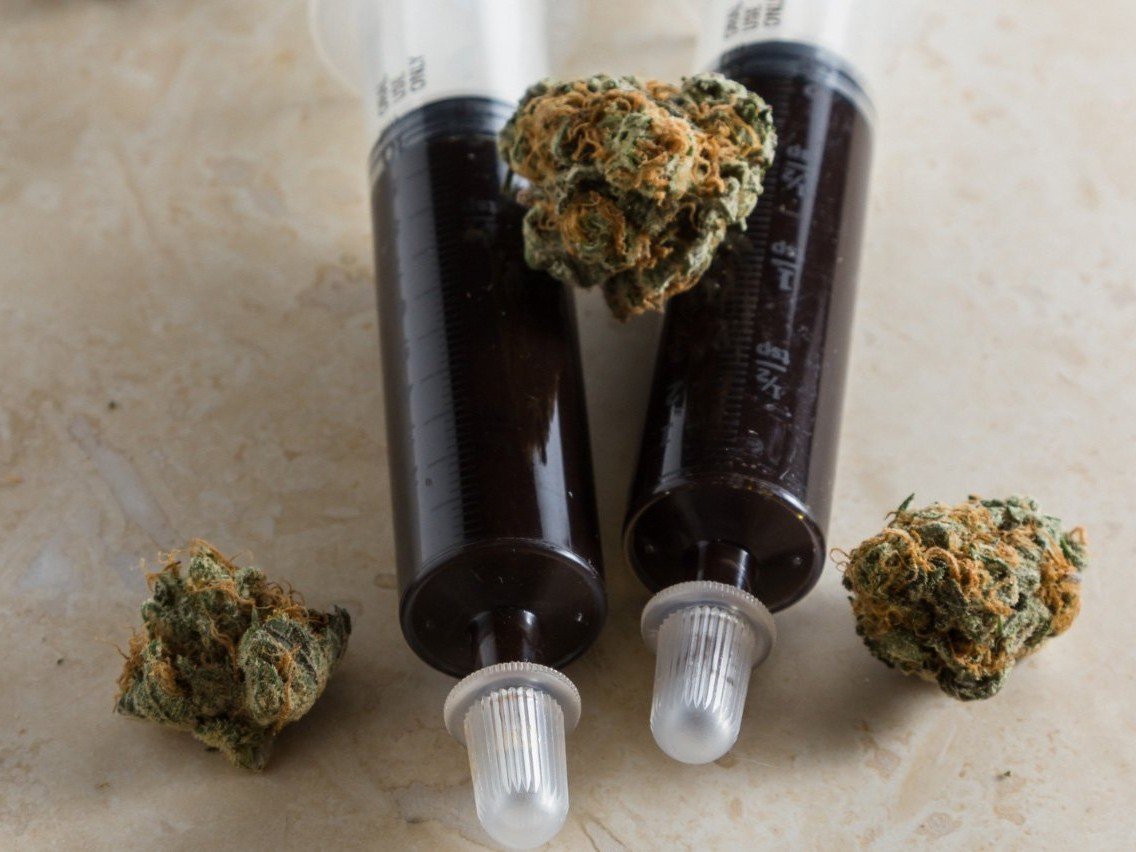
If you have heard people talk about “RSO” and wondered what it actually is, you are not alone. It is one of the most searched cannabis terms, and also one of the most misunderstood. This guide explains what Rick Simpson Oil is, how it is made, how it compares with other cannabis oils, what it looks and tastes like, and how people typically take it, all in plain English.
RSO stands for Rick Simpson Oil. It is a thick, dark, highly concentrated cannabis extract made from whole cannabis flower, and it is usually high in THC. Unlike many refined cannabis products, RSO is a “full extract”: very little of the plant’s natural mix of cannabinoids, terpenes, and other plant compounds is stripped away during production.
The oil is named after Rick Simpson, a Canadian man who began making a concentrated cannabis oil in the early 2000s and shared his method openly through talks, interviews, and online videos. Because he chose not to patent the process, “Rick Simpson Oil” became a general name for this style of whole-plant extract. Today many different producers make RSO, and the name describes the type of oil rather than one specific brand.
At a high level, RSO is made in three stages:
The heat used during evaporation also activates (decarboxylates) much of the THC, which is why RSO is effective when swallowed. You can read more in our article on whether RSO is decarbed.
We are deliberately not giving a step-by-step home recipe. Working with large amounts of flammable solvents and heat is genuinely dangerous outside a properly equipped setting, and fires and injuries from home extraction do happen. That is a big part of why most people simply buy RSO ready-made, already measured into syringes.
RSO is often confused with other cannabis oils. Here is a quick side-by-side:
| Product | What it is | Texture | Main cannabinoid | Typical packaging |
|---|---|---|---|---|
| RSO | Full extract of whole cannabis flower | Thick, dark, tar-like | THC, plus smaller amounts of others | Oral syringes, capsules, suppositories |
| FECO | Full extract cannabis oil; a very close cousin of RSO, often made with ethanol | Thick, dark | Usually THC; can vary | Syringes, capsules |
| Distillate | Highly refined oil, distilled to isolate one cannabinoid | Clear to amber, runny or honey-like | THC (very high purity) | Vape carts, edibles, syringes |
| CBD oil | Usually a hemp extract diluted in a carrier oil | Thin liquid | CBD, little or no THC | Dropper bottles, gummies, softgels |
| Tincture | Cannabis extract diluted in alcohol or oil, dosed by dropper | Thin liquid | Varies by product | Dropper bottles |
The short version: RSO is thick, whole-plant, and strong; distillate is refined and pure; CBD oil and tinctures are diluted and much milder per drop. For deeper comparisons, see RSO vs distillate, RSO vs FECO, RSO vs CBD oil, and RSO vs tincture. If you are wondering how its strength stacks up, we also cover whether RSO is the strongest cannabis product.
RSO comes in a few common forms:
RSO is very dark, ranging from deep brown to nearly black, and it is thick enough that it barely moves at room temperature. That color comes from the chlorophyll and other plant material left in a full extract; see why RSO is black and what color RSO should be. It can get stiffer when cool, which is normal (more in why is my RSO so thick).
The taste is strong, earthy, grassy, and bitter. Many people mask it by putting a tiny amount on a bite of food or taking capsules instead.
Most people take RSO by mouth. A common approach is to start with a very small amount, often described as about the size of half a grain of rice, and increase slowly over time. Because RSO is concentrated, a little goes a long way, and effects taken by mouth can take a while to appear. It is a good idea to talk with your doctor first, especially if you take other medications.
For more detail, read our guide on how to use Rick Simpson Oil, our article on how much RSO to take, and how long RSO takes to kick in.
Because RSO is usually high in THC, it can cause effects such as drowsiness, dizziness, dry mouth, a racing heart, anxiety, or feeling very high, especially when someone takes too much too soon. Do not drive or operate machinery after taking it. Our page on RSO side effects covers this in more depth, along with taking too much RSO.
We price RSO per gram, and the price per gram drops as the order size goes up:
| Order size | Price per gram | Shipping |
|---|---|---|
| 1-9 grams | $37/g | + $8 shipping |
| 10-19 grams | $32/g | + $8 shipping |
| 20-99 grams | $27/g | Free shipping |
| 100 grams or more | $23/g | Free shipping |
| 60-gram pack | $1,600 | Free shipping |
Capsules and suppositories use the same price tiers. For a full breakdown, see our RSO price guide and how much 1 gram of RSO costs.
Ordering is simple and done by phone:
We serve customers across the US. You can also email rsocalifornia@gmail.com with questions, or visit our buy Rick Simpson Oil page.
RSO stands for Rick Simpson Oil, named after the Canadian man who popularized this style of whole-plant cannabis extract.
They are very similar. Both are full extracts of cannabis flower. The terms are often used interchangeably, though FECO is more often associated with ethanol extraction.
Usually, yes. Most RSO is made from THC-rich cannabis, so even small amounts can be intoxicating. Starting low and going slow is the common advice.
No. CBD oil is usually a thin hemp extract with little or no THC. RSO is a thick, THC-rich full extract.
Stored properly, RSO keeps well for a long time. See when RSO expires and how to store RSO for tips.
Our standard syringe is 1 gram, with 5-gram and 30-gram syringes by special request. Capsules, suppositories, and a 60-gram pack are also available.
This article is for general education only and is not medical advice. RSO is not intended to diagnose, treat, cure, or prevent any disease. Talk with a qualified healthcare provider before using any cannabis product.